

How Algorithms Price Your Desperation
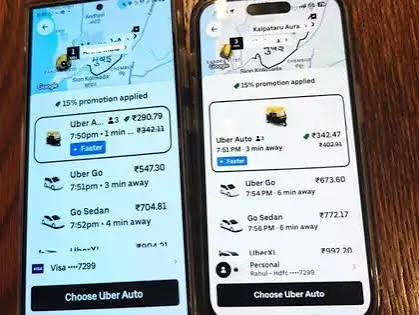
Standing on a dark street corner late at night with your phone battery flashing at three percent is a stressful modern experience. You open a ride-sharing app hoping for a quick trip home, only to see the fare quoted at double or triple its usual rate. You know your phone will die within minutes, leaving you stranded without options. You tap accept anyway, feeling quietly exploited by a system that seems to know you have no choice. That unsettling sensation is supported by evidence. It is the direct result of sophisticated pricing algorithms capitalizing on your immediate vulnerability through algorithmic profiling.
Ride-hailing platforms and digital retailers have evolved far beyond traditional supply-and-demand surge calculations. Modern artificial intelligence models continuously evaluate a massive stream of behavioral data to determine a consumer's exact willingness to pay in real time. This is a classic example of data tracking of consumer habits in action. Algorithms track your location, local time, purchasing history, and even your device battery status (Privacy International, 2024). When a smartphone battery drops into single digits, behavioral economics reveals that user price sensitivity plunges dramatically (Economic Times, 2025). A study conducted by researchers at the University of Oxford found that opaque dynamic pricing models frequently inflate fares for urgent riders, maximizing corporate margins without adding any actual value or service improvements (University of Oxford, 2025). These practices raise urgent questions about AI transparency and whether consumers truly understand the forces behind every fare.
Fortunately, you do not have to remain a passive target for these AI monetisation strategies. You can take concrete steps to obscure your digital footprint and protect your wallet. First, turn on low-power mode early or restrict device telemetry permissions to prevent applications from profiling your battery status (Economic Times, 2025). Second, disable precise location tracking for ride-hailing apps when you are not actively booking a ride, preventing platforms from logging your travel habits over time. Third, if you notice an unusually high price, try comparing quotes using a virtual private network or check fares from a companion's device with a full battery. Taking control of your digital privacy limits the data algorithms use to gauge your desperation. Ultimately, this is not just about individual action; it is about demanding transparency in AI product design so users can make informed choices.
Consumers deserve transparency when relying on essential digital services. As pricing models become increasingly automated and personalized, maintaining digital privacy becomes a critical defense mechanism against dynamic exploitation. However, privacy alone is not enough. We must also address the broader issue of AI task delegation and ask whether we should ever fully hand over pricing decisions to machines without meaningful human oversight. The debate ultimately centers on human judgment versus AI decisions, and finding the right balance is essential for fair commerce. At the Responsible AI Foundation, we advocate for stronger AI regulation to ensure that algorithms serve people, not exploit them. The future of fair commerce relies on protecting our data so we never have to pay a surcharge for simple urgency.



Comments