

Fixing Your Form Without a Trainer
Attempting a heavy deadlift in a crowded gym can turn into a terrifying experience in a fraction of a second. You grip the barbell, pull with everything you have, and suddenly feel a sharp, shooting pain in your lower back because your spine was rounded. Throwing out your back or straining a shoulder is a common setback for people trying to build strength on their own. Yet, hiring a certified personal trainer to supervise every workout is a luxury few can afford, often costing over one hundred dollars per session. Combined with the intimidation factor of asking experienced gym-goers for help, millions of people end up either lifting with dangerous mechanics or avoiding strength training altogether.
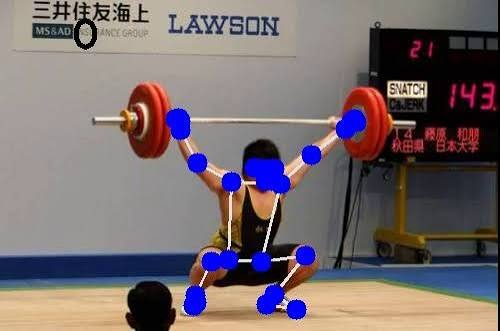
Fortunately, machine learning is bringing real-time coaching directly to our mobile devices. Modern computer vision fitness applications work directly with the physical world through smartphone lenses, pushing toward a real-world accuracy goal of ninety to ninety-five percent to track human skeletal joints and correct movement mechanics (Softweb Solutions, 2025). By deploying advanced human pose estimation algorithms, these tools map critical semantic key points across your ankles, knees, hips, shoulders, and wrists frame by frame. Rather than analyzing your form after your set is finished, the software calculates joint angles instantly during the movement. If your hips rise too quickly or your lower back begins to curve, the app provides real-time audio cues like "drop your hips" or "keep your chest up" mid-rep to prevent injury before you finish the movement (PMC, 2025).
This real-time feedback is democratizing elite athletic training for people working out alone in their living rooms or crowded commercial gyms. Platforms like Kemtai and AI-powered exercise applications allow anyone to transform a basic smartphone camera into a personal motion-capture lab (Kemtai, 2025). Instead of paying thousands of dollars for private coaching sessions, users receive precise biomechanical data that isolates movement flaws, measures depth on squats, and ensures balance across left and right limbs.
As computer vision algorithms become faster and more accurate on edge devices, the gap between home workouts and professional athletic facilities continues to narrow. Having an objective, artificial intelligence coach in your pocket removes both the financial burden and the self-consciousness of fitness. The future of strength training belongs to this continuous, intelligent feedback, helping everyone move safely and reach their full physical potential.


Comments