

How to Fight False AI-generated Work Accusations
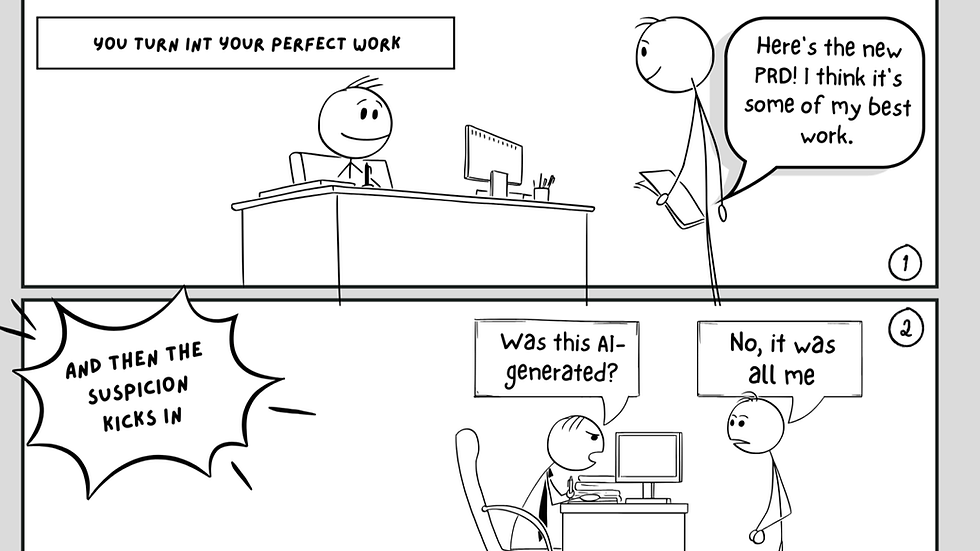
Few experiences in the modern professional or academic world cause panic quite like a false accusation of dishonesty. You spend days researching, drafting, and polishing an original essay or a critical work email. After hitting the submit button, you expect a thoughtful response. Instead, a sudden notification arrives to inform you that an automated system has flagged your writing as machine-generated. In a single moment, your hard work and professional reputation are jeopardized by a database score. This experience creates a unique brand of anxiety, forcing you to prove your own humanity to a completely indifferent algorithm.
This algorithmic gatekeeping is a growing reality across schools and remote workplaces. Millions of documents are processed by these screening platforms every year, yet they rely on highly flawed estimation methods. AI detectors analyze text to identify statistical predictability instead of verifying actual plagiarism. They evaluate two primary metrics, perplexity and burstiness. Perplexity measures how predictable a word choice is, while burstiness assesses the variation in sentence length and structure. Because generative models are trained to produce highly uniform, grammatically perfect sentences, they exhibit low perplexity and low burstiness. When a human writer produces clean, clear, and carefully structured prose, the detector identifies these exact same patterns and concludes that the text was written by a machine.
This statistical profiling creates a severe, documented bias against diverse writers. In a landmark study, researchers at Stanford University ran ninety-one human-written essays by non-native English speakers through seven popular AI detectors. The results were staggering. On average, the detectors incorrectly flagged 61.3 percent of these genuine human essays as AI-generated. All seven tools unanimously misclassified nearly twenty percent of the submissions. This structural failure occurs because second-language writers often utilize more formulaic vocabulary and predictable sentence structures. These automated tools actively penalize linguistic diversity and formal writing styles instead of detecting actual dishonesty.
The real-world consequences of this technical blind spot are devastating. At Australian Catholic University, an overreliance on automated screening led to academic misconduct accusations against approximately six thousand students in 2024. A significant portion of these cases was dismissed after investigations revealed the detectors were highly inaccurate, leading the university to eventually abandon the software entirely. This administrative overreach is also creeping into remote workplaces. Independent writers, journalists, and editors find their original drafts rejected by clients who rely blindly on commercial checkers. Even highly accomplished professionals are accused of using bots because their polished, high-quality writing mirrors the statistical perfection of machine outputs.
Protecting yourself against these false positives requires a proactive, structured approach to your writing process. First, you should always maintain an active, cloud-backed version history of your documents. Services like Google Docs or Microsoft Word record your incremental edits in real time, providing an undeniable, step-by-step trail of human composition. Second, you must keep all your intermediate materials, including rough outlines, research notes, and earlier drafts. If an algorithm flags your final submission, presenting these developmental stages provides bulletproof evidence of your creative journey. Finally, consider explaining your use of basic writing assistants, such as spelling and grammar checkers, before you submit your work. By establishing this transparency and keeping a clear paper trail, you can ensure that your professional future remains guided by human judgment rather than a broken algorithm.


Comments