

AI Subscription Churn
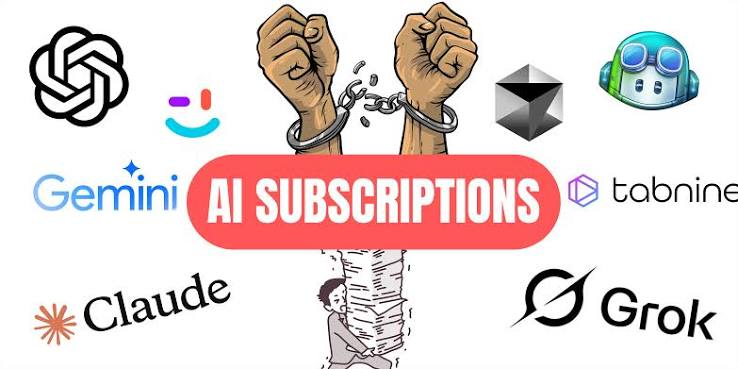
The initial excitement of the generative artificial intelligence boom made it easy to open our wallets. We eagerly signed up for writing assistants, image generators, and note-taking bots under the promise of effortless productivity. Yet, a year later, many of us find ourselves bleeding cash on multiple recurring fees for services we rarely open. This accumulation of monthly charges has triggered a widespread case of subscription fatigue. A study by digital research firm Bango found that the average American now subscribes to four different premium AI tools, costing about sixty-six dollars every month (Readless, 2026). This financial drain is worsened by a psychological gap in how we track our spending. While consumers estimate their monthly subscription bills to be around eighty-six dollars, their actual spending across all digital services is closer to 219 dollars, creating a massive gap of 133 dollars in unpaid attention (Adapty, 2026). Instead of enjoying seamless efficiency, we are now experiencing the administrative headache of managing a fragmented and expensive digital ecosystem.
The root of this frustration lies in the rapid homogenization of software features. When generative technology first emerged, individual tools served highly distinct functions. Today, the lines have blurred completely. Your primary word processor can now generate images, your spreadsheet software can draft summaries, and your chat assistant can write complex code. This massive functional overlap means we are often paying multiple companies for the exact same underlying capabilities. As a result, consumers are adopting active defense mechanisms to protect their bank accounts. Rather than maintaining permanent memberships, fifty-three percent of AI users now rely on churning, which means they constantly cancel and restart subscriptions as their projects dictate (Readless, 2026). Churn is no longer an occasional action. It has become the default cost-management strategy for a financially exhausted public.
Fortunately, the same technology that created this problem is beginning to offer a highly automated solution. A new wave of specialized artificial intelligence agents is emerging to help us manage our digital bloat. Intelligent tools like the KeepOrCancel platform can securely scan your bank and credit card statements in under thirty seconds. Operating with a ninety-seven percent vendor matching accuracy, the algorithm instantly isolates recurring charges that you have likely forgotten about. Once identified, the AI concierge can autonomously navigate the often frustrating and intentionally complex cancellation flows on your behalf, saving the average user about forty-eight dollars a month (Fini, 2026). This shift from manual tracking to agentic execution allows us to fight automated corporate retention loops with our own digital proxies.
While automated agents can clean up the residual clutter, long-term financial health requires a deliberate audit of our personal tech stacks. We must transition away from passive consumption and toward strict consolidation. A simple three-step framework can help you prune your digital tools effectively. First, list every AI tool you currently pay for and map its utility over the past thirty days. If you have not utilized an application at least twice a week, cancel it immediately. Second, identify the functional overlap. If you pay for a standalone writing tool and a general-purpose chatbot that can both draft copy, consolidate your spend into the single most versatile platform. Third, enforce a strict one-in-one-out policy for any future software trials. By establishing these clear boundaries, we can be financially smarter and also ensurw our technology remains a high-value asset that serves our productivity directly.


Comments